Sonic Drilling

Sonic Drilling

Sonic Drilling Services

Faster, Cleaner,
Near In-Situ
Subsurface Data

Sonic drilling delivers faster, cleaner, higher integrity subsurface data with less risk and waste than traditional drilling.

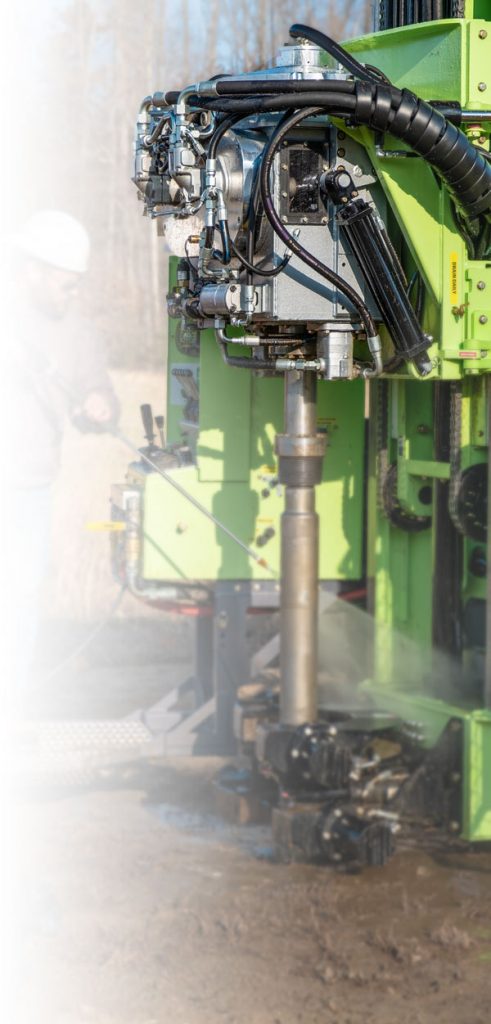
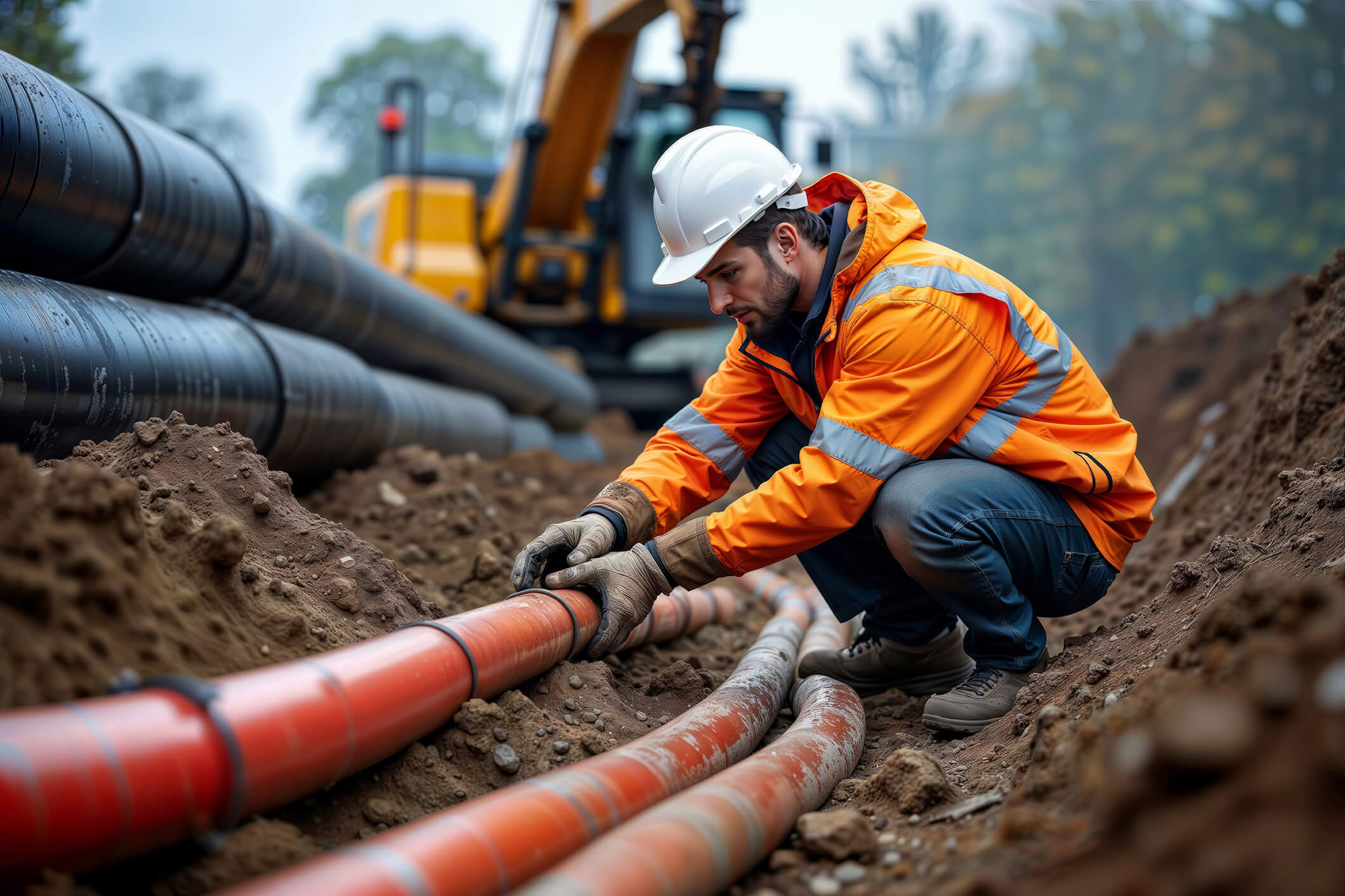
Sonic drilling in action
2–3×
Faster Than Traditional
250K
lbs Force Per Cycle
<1 bbl
Waste on Deep Borings
0–90°
Any Drill Angle
Why Sonic
The method that changes everything below the surface.

“Subsurface data that owners, consultants, and regulators can all trust.”

Traditional Drilling Gets You to Depth. Sonic Gets You Better Data.

Environmental and geotechnical projects now live at the intersection of technical risk, regulatory scrutiny, and tight budgets. Traditional drilling methods can get you to depth, but they often do it with compromised samples, large volumes of contaminated waste, and extended field time. Sonic drilling changes the game.

Sonic drilling offers faster, cleaner, and higher quality subsurface data by using resonant sonic energy to advance the drill string, often eliminating the need for fluid circulation and the resultant investigative derived waste. The result is subsurface data that owners, consultants, and regulators can all trust, with less waste, less disturbance, and less total project risk.

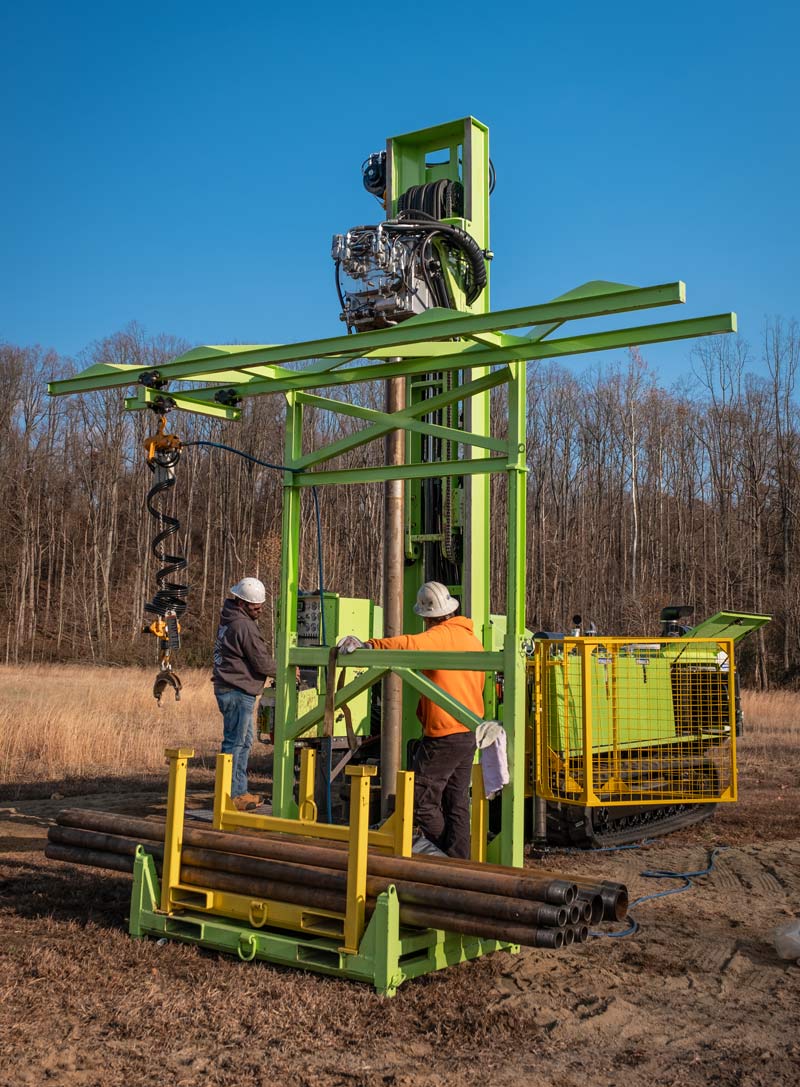
Sonic drilling operations at field site
Each vibration cycle delivers up to 250,000 pounds of force, advancing by displacement, not grinding.
Resonant Sonic Energy Technology
The Science
Resonant Sonic Energy goes where other methods struggle.

“More footage per day, fewer refusals, and better access to the zones your project team actually cares about.”

Resonant Sonic Energy Goes Where Other Methods Struggle

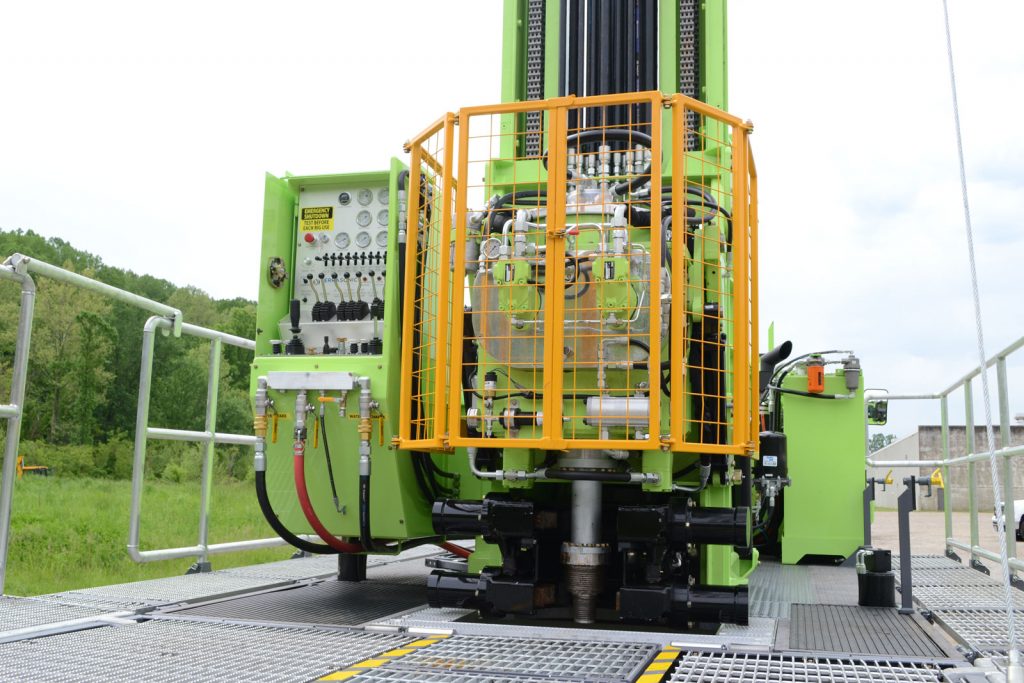
Sonic drilling uses a specialized head that sends high-frequency sinusoidal pressure waves down the drill string, turning the steel pipe into a resonant “flywheel” that stores and releases energy. Each vibration cycle delivers very high force at the bit, up to roughly 250,000 pounds force per cycle, so the bit advances by displacement, shearing, and fracturing rather than grinding.

Because the system operates near the natural resonant frequency of the drill string, energy is transmitted efficiently to the bit and concentrated where it matters most. This allows sonic rigs to penetrate a wide range of formations, from granular sands and gravels to plastic clays, boulders, and rock, often without traditional mud or air circulation. In practice, that means more footage per day, fewer refusals, and better access to the zones your project team actually cares about.

Sample Integrity
Near in situ cores regulators and consultants can trust.

“Data with clear provenance, minimal disturbance, and a defensible link back to actual subsurface conditions.”

Near In Situ Cores Regulators and Consultants Can Trust

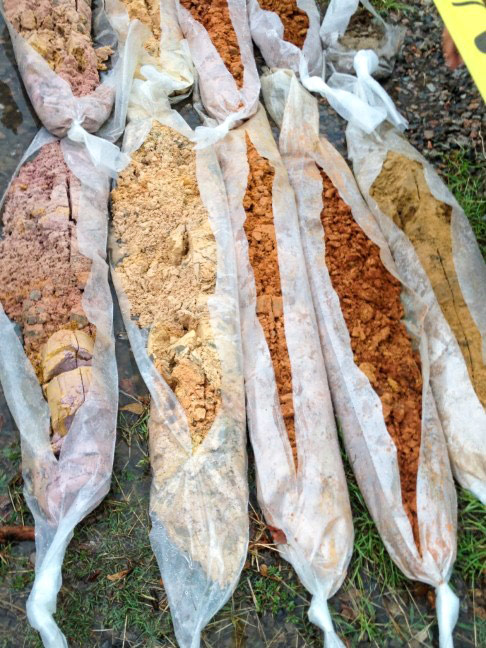
For environmental consultants and engineers, everything starts with the quality of the core. Resonant sonic systems are designed to deliver continuous, relatively undisturbed cores that closely represent in-situ conditions, rather than a smeared or washed-out version of the lithology.

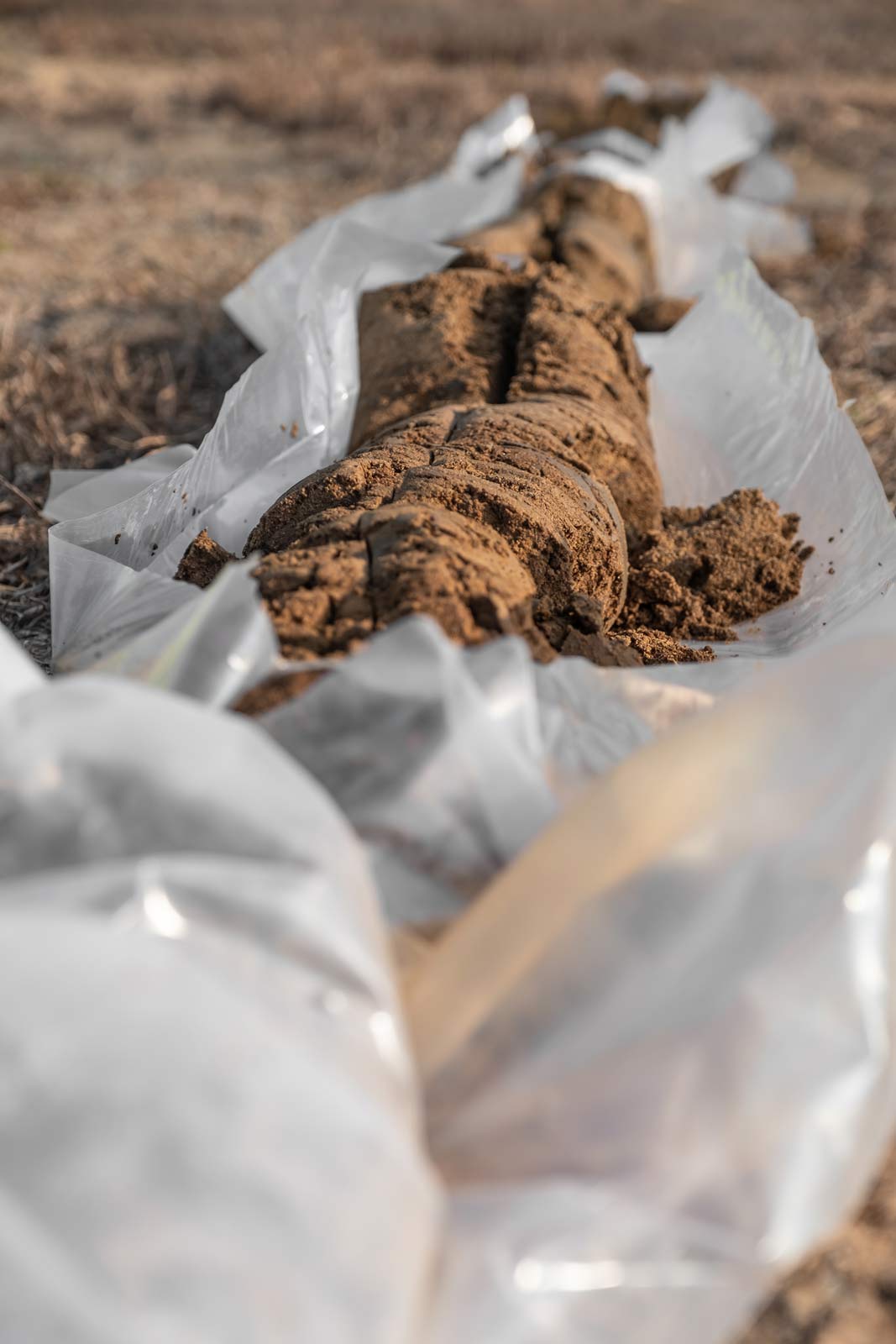
Dual rod sonic configurations couple the head to an inner core barrel and an outer casing, driving formation material directly into the core barrel while the outer pipe supports the borehole. With minimal or no rod rotation and no circulating fluid, cores show far less smearing, washing, and disturbance than mud rotary or water washover methods. Operators commonly recover 5, 10, or 20-foot continuous runs through complex stratigraphy, preserving fine-scale changes that matter for conceptual site models.

Sonic drilling also integrates seamlessly with split spoon and clear liner sampling, giving laboratories high quality material while preserving visible structure for logging and analysis. For regulators and stakeholders, that translates into data with clear provenance, minimal disturbance, and a defensible link back to actual subsurface conditions.

Waste & Risk Reduction
Less waste, less VOC volatilization, less liability.

“Less secondary contamination to manage, fewer drums and roll-off boxes leaving the site, and lower long-term liability.”

Less Waste, Less VOC Volatilization, Less Liability

Traditional rotary and air rotary methods generate large volumes of drill cuttings and contaminated fluids that must be contained, handled, and disposed of, often at high cost and risk on hazardous sites. Sonic drilling dramatically reduces that burden.

Displaced formation is captured as core rather than being carried to the surface by mud or air. Projects with deep angle borings have produced less than a single barrel of remaining sampling waste, only a fraction of what conventional systems would generate. In “displacement only” mode, sonic rigs can resonate a closed bottom casing to depth, then complete wells with virtually no drill cuttings or formation water brought to surface.

Eliminating circulating mud and air not only cuts waste volume, it also reduces VOC volatilization and aerosolization pathways. For asset owners and regulators, that means less secondary contamination to manage, fewer drums and roll off boxes leaving the site, and lower long term liability tied to investigation derived waste.

Speed, Flexibility & Safety
2–3× faster with better access and safer operations.

“Hands-free tool handling, remote operation, and dry-mode drilling reduce worker exposure.”

2–3× Faster with Better Access and Safer Operations

Sonic drilling is routinely two to three times faster than traditional systems while still achieving high integrity environmental samples. Faster penetration rates, longer continuous core runs, and minimal need for fluid management translate into shorter field campaigns and less site disruption.

Sonic rigs also excel in directional and angle applications that are difficult with conventional equipment. Projects have successfully installed long reach wells at shallow angles under landfills, parking lots, and active infrastructure without removing pavement or relocating overhead utilities. The ability to drill at any angle from horizontal to vertical opens up new options for intercepting plumes, accessing zones beneath sensitive structures, and placing extraction wells exactly where they are needed.

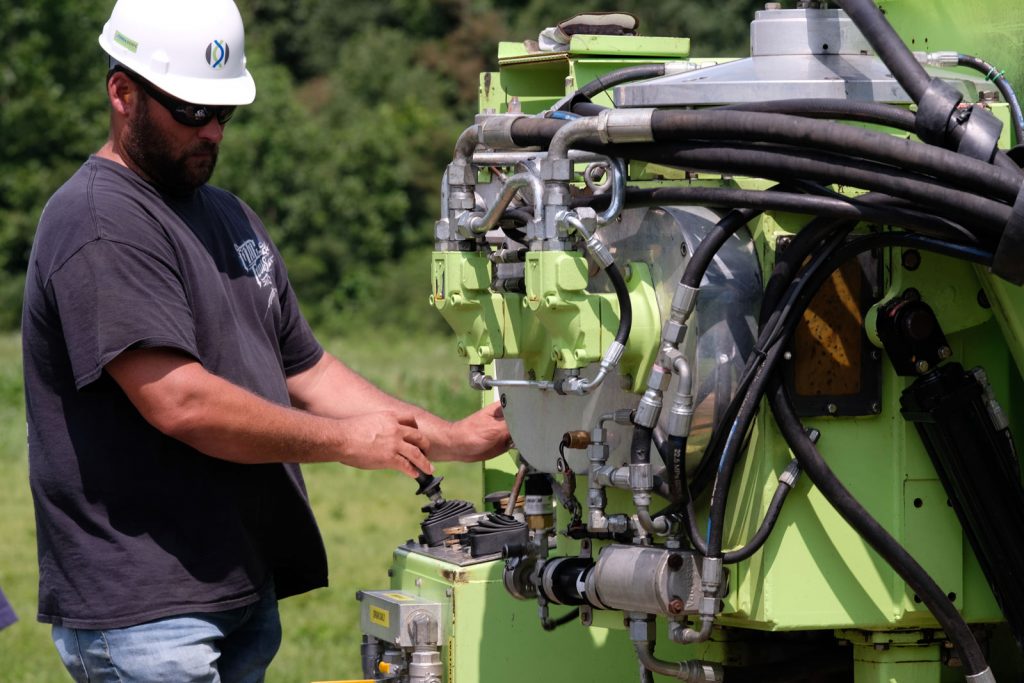
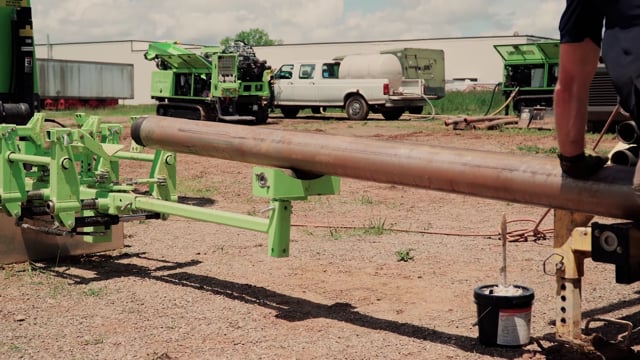
Safety improves as well. Modern sonic systems support hands free tool handling, better ergonomics, and remote operation that keeps crews at a distance from high hazard zones and highly contaminated media. Operating in a dry mode, without aerosolizing contaminants in drilling air or mixing them into large volumes of fluid, further reduces worker exposure compared to air rotary and mud systems.

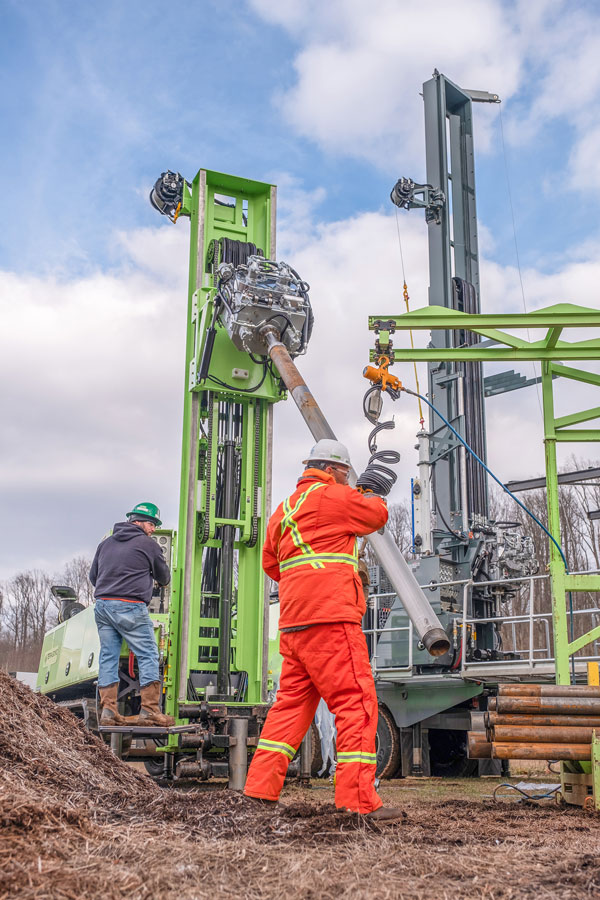
Sonic drilling field operations
20-foot continuous cores through complex stratigraphy, preserving the fine-scale changes that matter.
Sample Integrity Promise
Tailored Value

Solutions for Your Role

  • Continuous, relatively undisturbed cores that closely represent in-situ conditions.
  • Minimal smearing and washing, even through complex lithology.
  • Flexible angle and directional drilling to hit precise locations beneath sensitive structures.
Sonic drilling delivers near in situ core quality with significantly less disturbance than conventional rotary methods.

Utilities · Industrial · Mining · DoD/DOE Contractors

  • Reduced downtime through faster drilling and shorter campaigns.
  • Smaller footprint and less surface disruption around critical infrastructure.
  • Dramatically lower volumes of contaminated cuttings and fluids to manage.
Sonic drilling often reduces investigation derived waste from multiple drums or roll-off boxes to less than a single barrel on deep borings.
  • High integrity, continuous cores that support defensible conceptual site models.
  • Minimal disturbance of contaminated media and reduced VOC volatilization.
  • Proven performance on complex, high-visibility projects, including DoE and DoD sites.
Sonic drilling has been successfully deployed on multiple federal remediation projects where data quality and waste minimization were critical success factors.
Get Started

Better Data, Less Risk,
Less Waste.

Sonic drilling is a proven technology that consistently delivers faster penetration, cleaner operations, and higher integrity samples than traditional drilling methods. For teams tasked with characterizing and remediating complex sites under tight regulatory and budget constraints, it offers a clear path to better data with less risk and waste.

1

Schedule a Consultation

Connect with our sonic drilling specialists

2

Request Project Examples

Technical specifications and case results

3

De-Risk Your Program

Explore how resonant sonic energy can de-risk your next subsurface program

Let’s talk about your project.

Our sonic drilling team will respond within one business day.
Thank You!

Our sonic drilling team will respond within one business day.